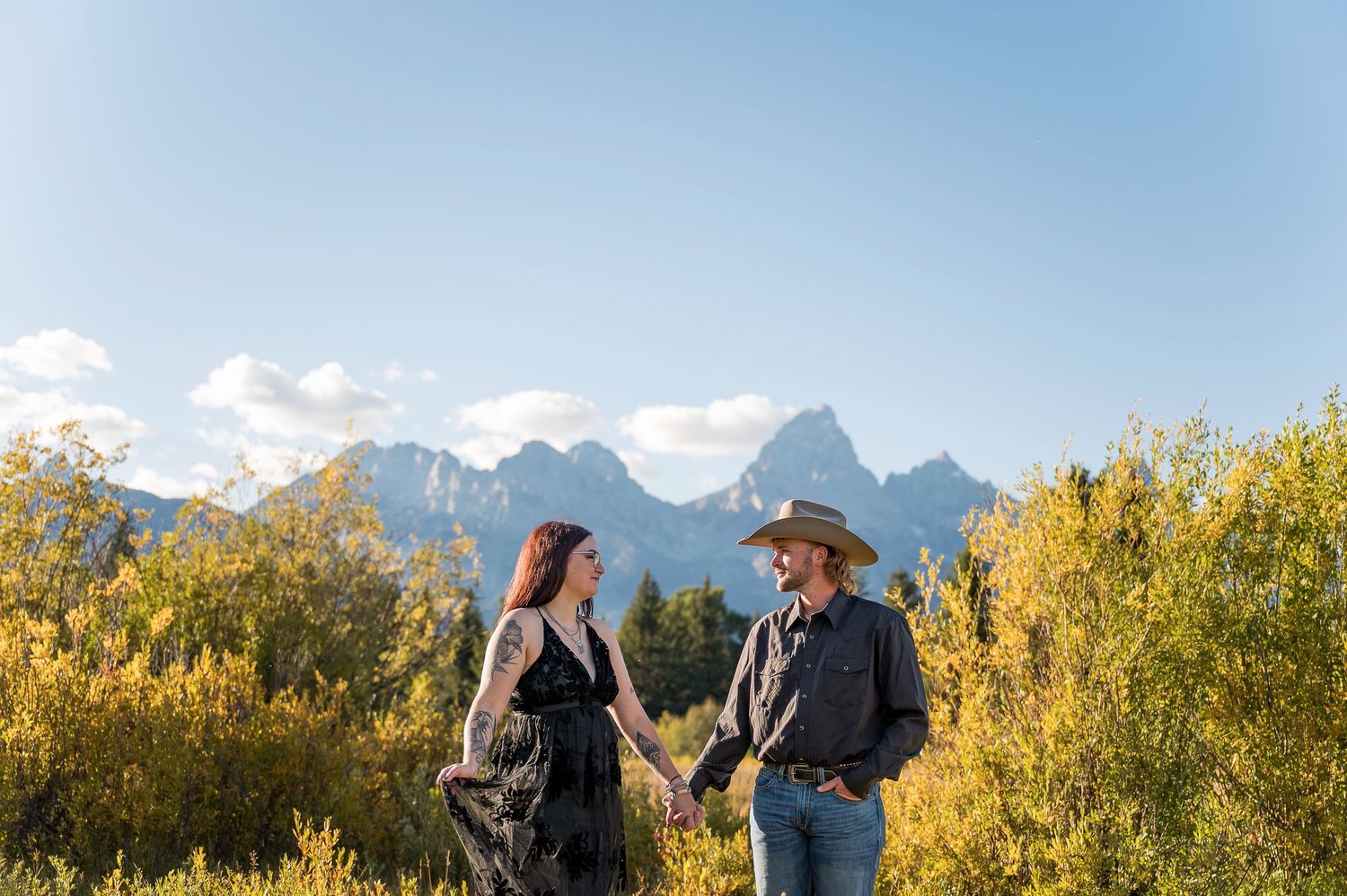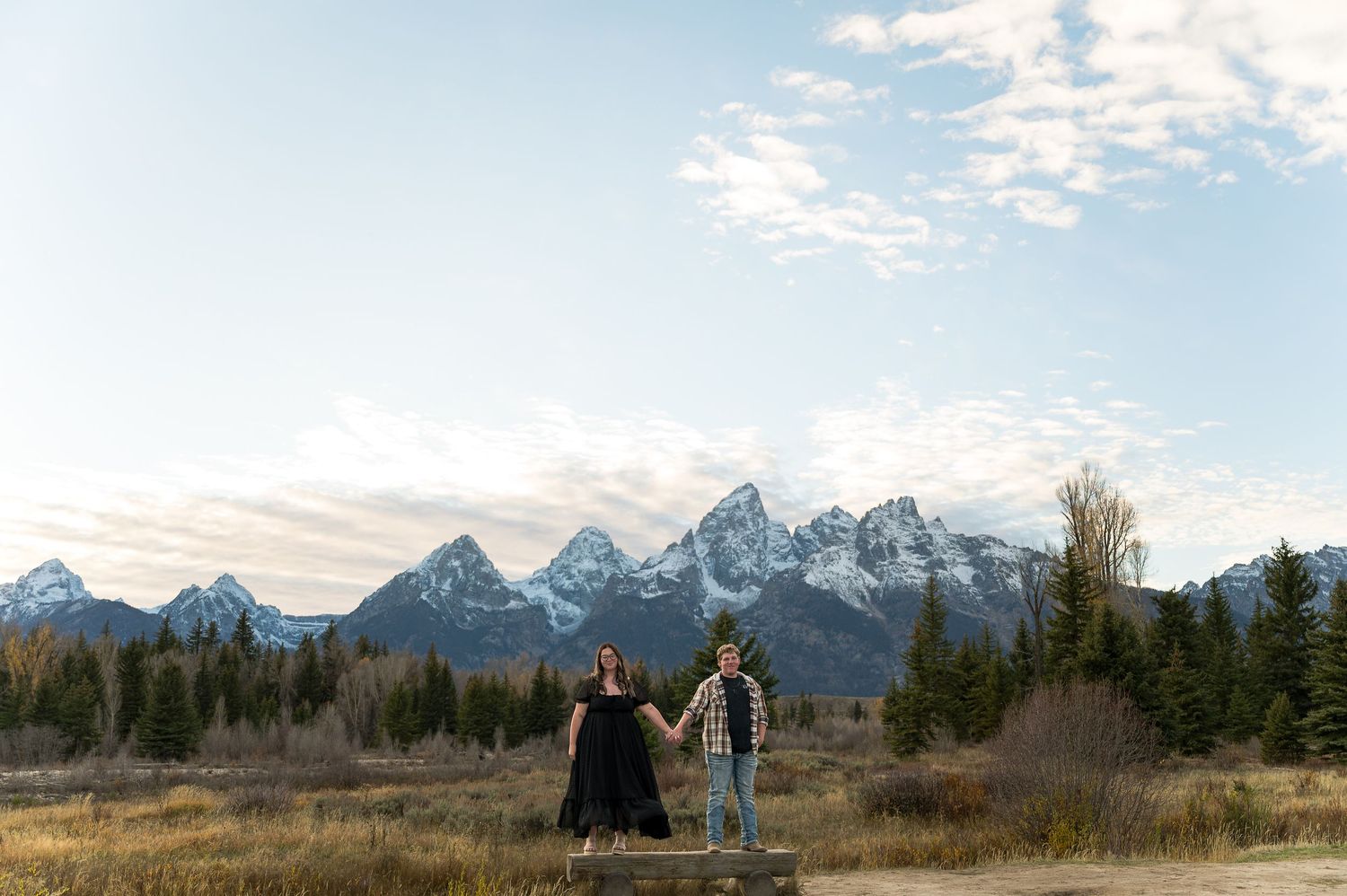
So, you’ve decided to elope in one of the most breathtaking places on Earth! Whether it’s the jagged, sky-high peaks of the Grand Tetons, the geothermal magic of Yellowstone, or the red rock cathedrals of Utah, you’re already winning at this wedding thing.
But as a travel elopement photographer, I have to break the news: you can't just wander into a National Park in a wedding dress, exchange vows, and call it a day.
Entering a National Park for your elopement is a bit like visiting a very beautiful, very protected museum. To keep these places wild and wonderful, the National Park Service (NPS) has a few house rules. Navigating the legalities of elopement photography and permits can feel like a headache, but I promise it’s simpler than it looks!
Here is everything you need to know about the permits and legalities of getting married in our favorite wild spaces across Idaho, Wyoming, Montana, and Utah for the 2026 season.
1. The Special Use Permit
If you are exchanging vows, saying "I do," or having any kind of ceremony (even if it’s just the two of you and an officiant), you almost certainly need a Special Use Permit (SUP). Even if you aren't setting up chairs or a floral arch—even if you’re just standing on a trail in your wedding attire—the NPS considers this a special event.
- Why do I need it? It ensures that your ceremony doesn't interfere with the park's natural resources or other visitors' experiences.
- How much does it cost? It varies. For example, a permit for Grand Teton National Park or Arches typically runs about $185–$200, while Yellowstone is often around $50.
- When do I apply? As early as possible! For Grand Teton, 2026 permits actually opened in December 2025. Many parks require you to apply at least 30 days in advance, but popular spots fill up months (or even a year) ahead of time.
2. Photography Permits
This is a part that often confuses couples. As your destination wedding photographer, I sometimes need a separate Commercial Use Authorization (CUA) or a Still Photography Permit to work in certain parks.
The good news? In many parks (like Glacier or the Tetons), your Special Use Permit often covers the photography as well. However, if we are doing a "day-after" session where no ceremony is taking place, I might need to handle a separate permit on my end.
- Pro-Tip: Always ask your photographer if they are already permitted or authorized to work in the specific park you’ve chosen. It saves a lot of back-and-forth!
3. Location-Specific Rules
Not every spot in a National Park is open for weddings. Each park has designated ceremony sites.
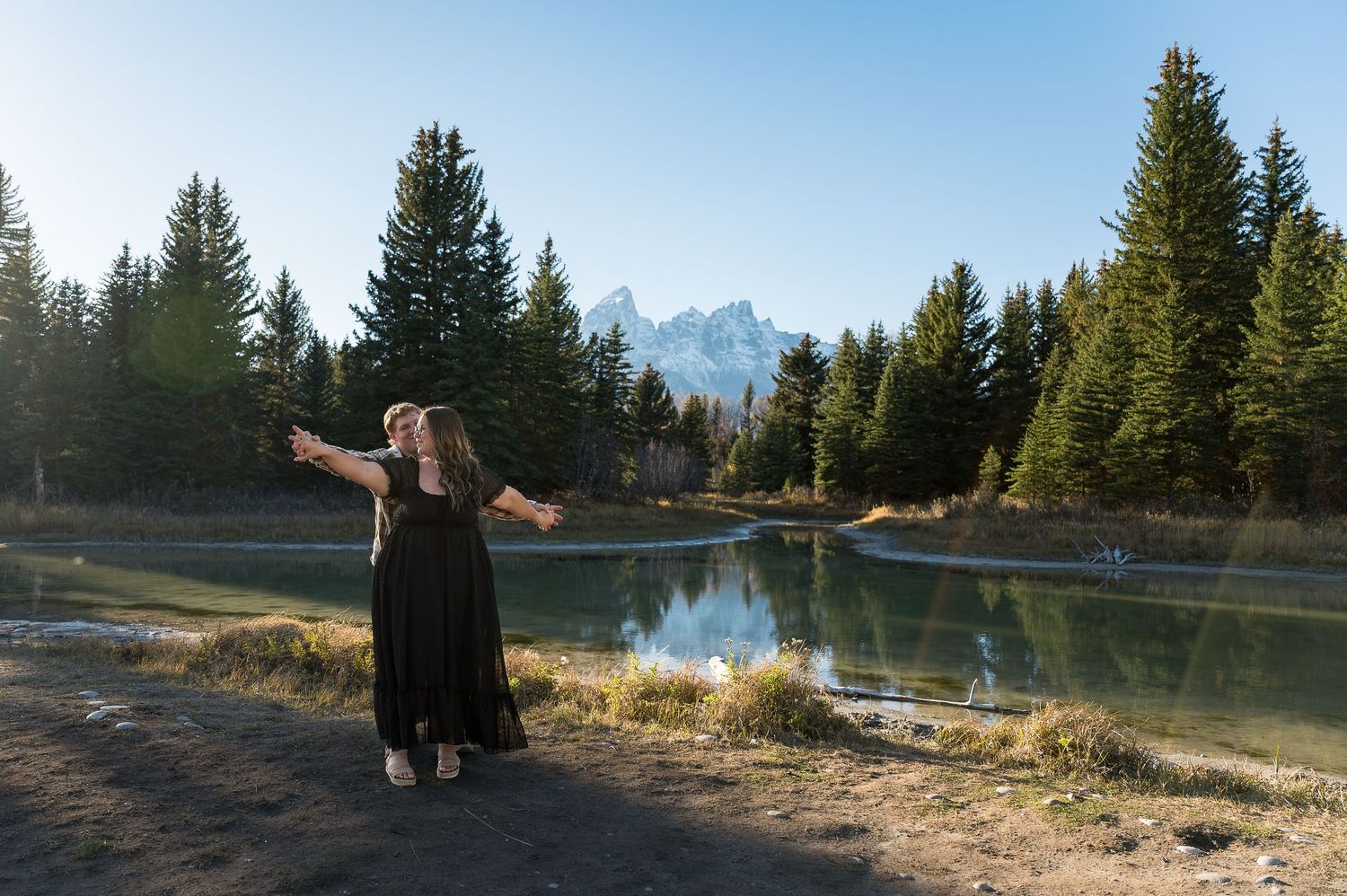
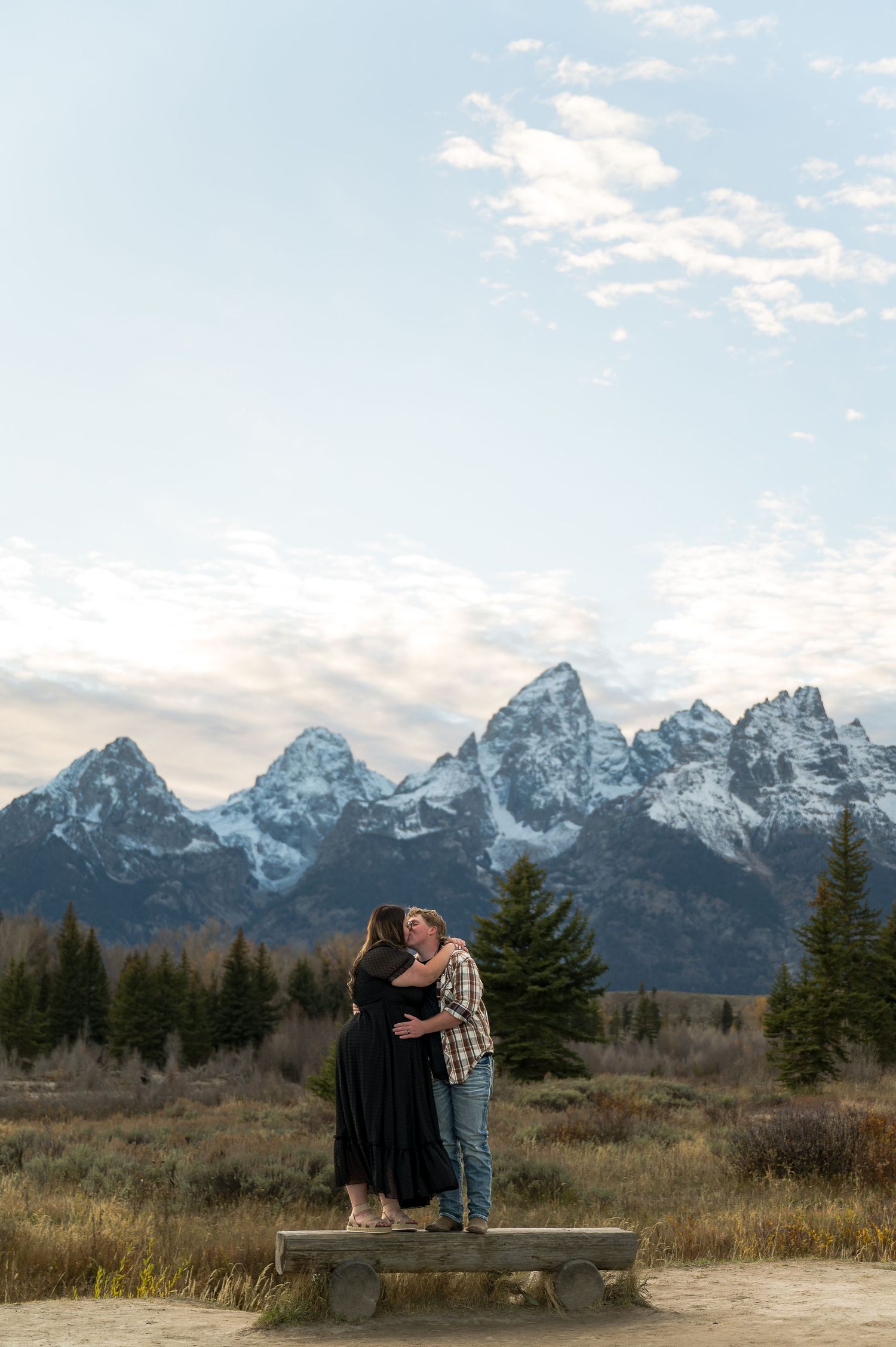
- Grand Teton (Wyoming): They have specific spots like Schwabacher Landing or Mormon Row. If you have more than 12 people, you must use a designated site. If it’s just the two of you, you might be eligible for a Small Dispersed Ceremony permit, which gives us a bit more freedom.
- Glacier (Montana): Glacier is very strict about group sizes. Most of their stunning lakeside spots are capped at 15–20 people total (and yes, that includes me and your officiant!).
- Arches & Canyonlands (Utah): These parks are all about protecting cryptobiotic soil (that crunchy black crust on the dirt). You’ll be restricted to certain overlooks and strictly forbidden from wandering off-trail.
4. Leave No Trace
When you elope in a National Park, you are agreeing to a Leave No Trace philosophy. This means your decor is the landscape itself.
What is usually banned:
- Confetti/Petals: Even biodegradable ones are a big no-no. They can introduce invasive seeds.
- Amplified music: This includes any music played from a speaker, any mics, and any other music louder than talking level. However, violinists and some other live string music is allowed.
- Drones: Drones are strictly prohibited in all National Parks. As a travel photographer, I’d love that aerial shot too, but we’ve got to protect the wildlife and the peace!
- Furniture: Most parks won't allow chairs unless you have guests with mobility issues.
- Live Flowers: Some parks (like Arches) actually have restrictions on certain types of flowers or dried grasses to prevent invasive species from spreading.
5. The Marriage License
The National Park permit makes your event legal, but the Marriage License makes your marriage legal. Make sure to check the length of time the license is valid before needing to be signed. Some are only valid for 30 days.
- Which state? You need a license from the state where the ceremony physically happens. If you’re eloping in the Grand Tetons, you need a Wyoming license. If we’re in Glacier, you need a Montana license.
- Idaho:The great thing about Idaho? There is no waiting period!
- Utah: Many counties in Utah (like Moab/Grand County) allow you to apply online, but you usually have to pick it up in person.
6. Entry Fees vs. Permit Fees
One common misconception is that your permit fee covers your entrance to the park. Unfortunately, it doesn’t!
You, your guests, and your vendors will still need to pay the standard park entrance fee (usually $35 per vehicle) or show your America the Beautiful pass.
- Expert Advice: If you’re planning on visiting multiple parks (maybe starting in Utah and heading up to Montana), buy the $80 annual pass. It pays for itself by the second park!
7. Why the Paperwork is Worth It
I know, I know—it feels like a lot of don'ts. But here is the do: Do it for the view! When you stand at the base of the mountains in Wyoming or overlooking a canyon in Utah, the $200 permit fee feels like the best deal in the world. You’re getting a multi-million dollar venue for the price of a fancy dinner.
As your travel wedding and elopement photographer, I’m not just here to take photos; I’m here to help you navigate the permits, select other trusted vendors, choose the best time of year for your elopement, and more!
Let's Make It Official (Legally!)
Ready to start the paperwork for your Grand Tetons or Glacier National Park elopement? Don’t let the legalities scare you off.